

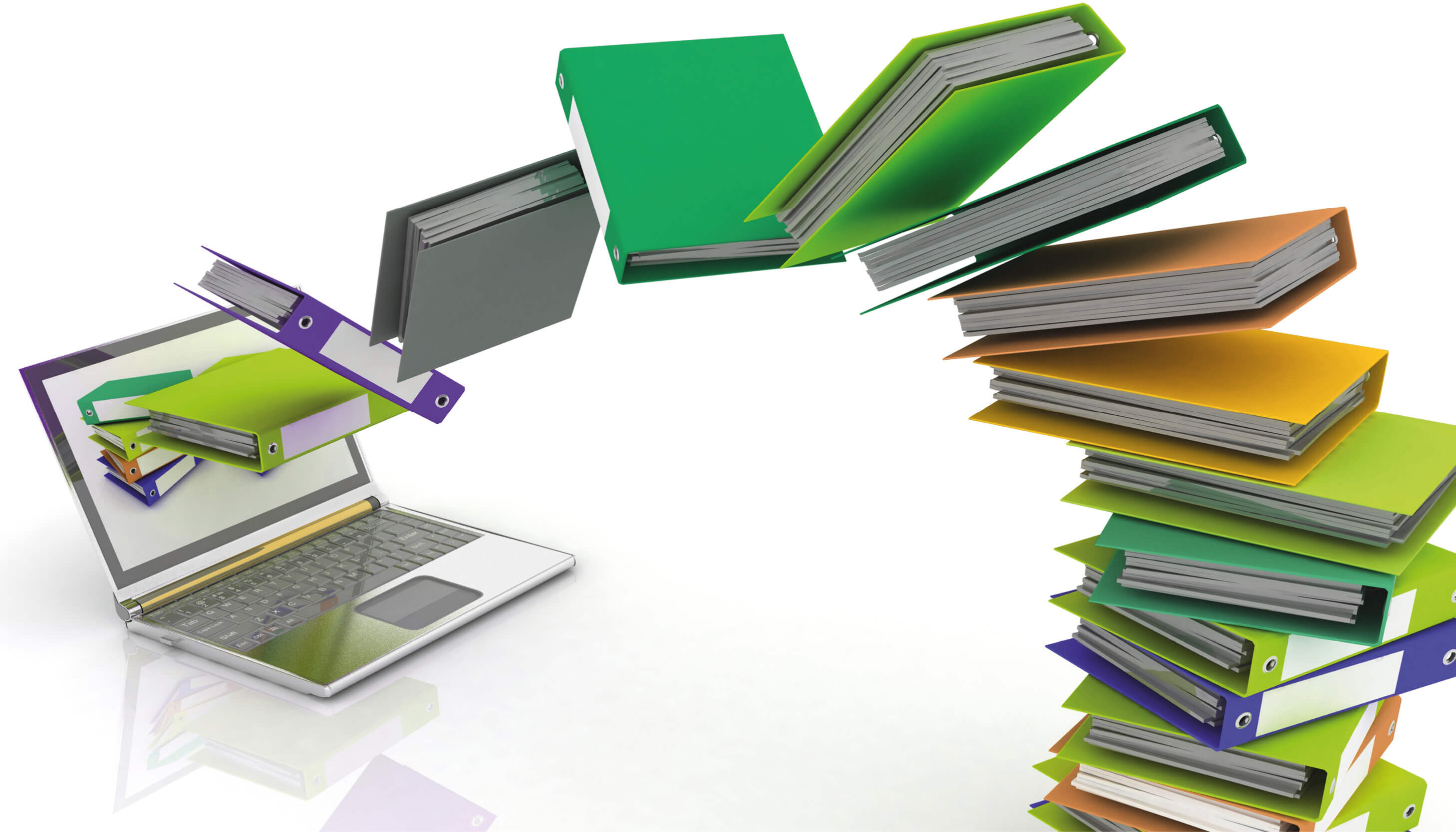
The Foundations of Records and Archives Management course provides an introduction to the concepts, principles, and practices involved in the creation, organization, maintenance, preservation, and use of records and archives. The course examines the role of records and archives in supporting organizational operations, accountability, transparency, decision-making, and the preservation of institutional memory. Students will explore the records lifecycle, different types of records and archives, classification and filing systems, records retention and disposal, and basic archival principles. The course also introduces contemporary issues in records and archives management, including electronic records management and access to information, preparing students for further study and professional practice in the field.
- Teacher: Flavien Niyigena
Information Storage and Retrieval Techniques focus on the processes and systems used to collect, organize, store, and provide access to information. This includes methods such as classification, cataloging, indexing, and the use of databases and search systems. The course explores how information is stored in both physical and digital formats and how users can efficiently retrieve relevant information when needed. It also introduces key concepts such as metadata, search strategies, and retrieval models. Teaching will involve lectures, practical exercises, and case studies, with assessment based on assignments, projects, and overall performance, enabling you to apply these concepts in real-world information environments.
- Teacher: Flavien Niyigena
BIS8104: Foundations of Library and Information Science
Lecturer: WAMALWA Lucas
Duration: 16th March – 17th April 2026
Topic 1: Introduction to Library and Information Science
Course Objectives
By the end of this topic, students should be able to:
- Define Library and Information Science and explain its scope.
- Describe the historical development of libraries and information services.
- Identify different types of libraries and their roles in society.
- Explain the importance of information in modern knowledge societies.
- Understand the role of librarians and information professionals.
Subtopics
- Definition and scope of Library and Information Science
- Historical development of libraries and librarianship
- Evolution of information services in the digital age
- Types of libraries
- Academic libraries
- Public libraries
- School libraries
- Special libraries
- National libraries
- Roles and responsibilities of library and information professionals
- Importance of libraries in education, research, and community development
Topic 2: Information, Knowledge, and Society
Course Objectives
By the end of this topic, students should be able to:
- Explain the concepts of data, information, and knowledge.
- Discuss the role of information in societal development.
- Understand information literacy and its significance.
- Identify challenges in information access and use.
- Recognize the impact of information technology on society.
Subtopics
- Concepts of data, information, and knowledge
- Information lifecycle and information flow
- Knowledge societies and information societies
- Information literacy and digital literacy
- Access to information and information equity
- Ethical issues in information use
- Role of libraries in promoting informed communities
Topic 3: Library Organization, Services, and Resources
Course Objectives
By the end of this topic, students should be able to:
- Identify the major components of library organization.
- Explain key library services offered to users.
- Describe different types of library resources and formats.
- Understand the role of technology in modern library services.
- Appreciate the importance of user-centred library services.
Subtopics
- Structure and organization of libraries
- Library collections and resource types
- Print resources (books, journals, newspapers)
- Non-print resources (audio, video, multimedia)
- Electronic resources (e-books, databases, digital libraries)
- Library technical services (acquisition, cataloguing, classification)
- Library user services (circulation, reference services, information literacy training)
- Digital libraries and online information systems
- Role of ICT in library services
References
- Bopp, R. E., & Smith, L. C. (2011). Reference and Information Services: An Introduction. Libraries Unlimited.
- Evans, G. E., & Saponaro, M. Z. (2012). Collection Management Basics. Libraries Unlimited.
- Rubin, R. E. (2016). Foundations of Library and Information Science (4th ed.). Neal-Schuman Publishers.
- Ranganathan, S. R. (1931). The Five Laws of Library Science. Madras Library Association.
- Chowdhury, G., & Chowdhury, S. (2003). Introduction to Digital Libraries. Facet Publishing.
- Feather, J., & Sturges, P. (2003). International Encyclopedia of Information and Library Science. Routledge.